
📌 Introduction: Why Are Ragdoll Cats So Special?
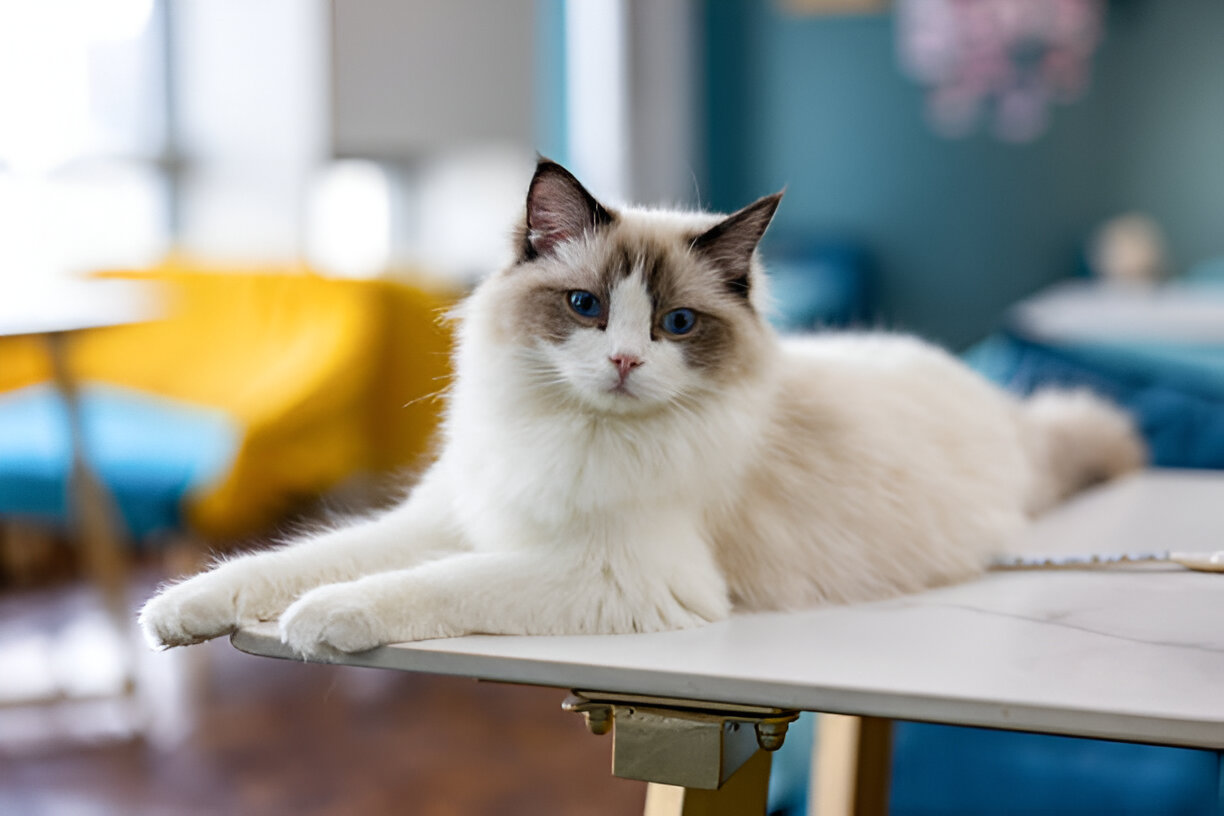
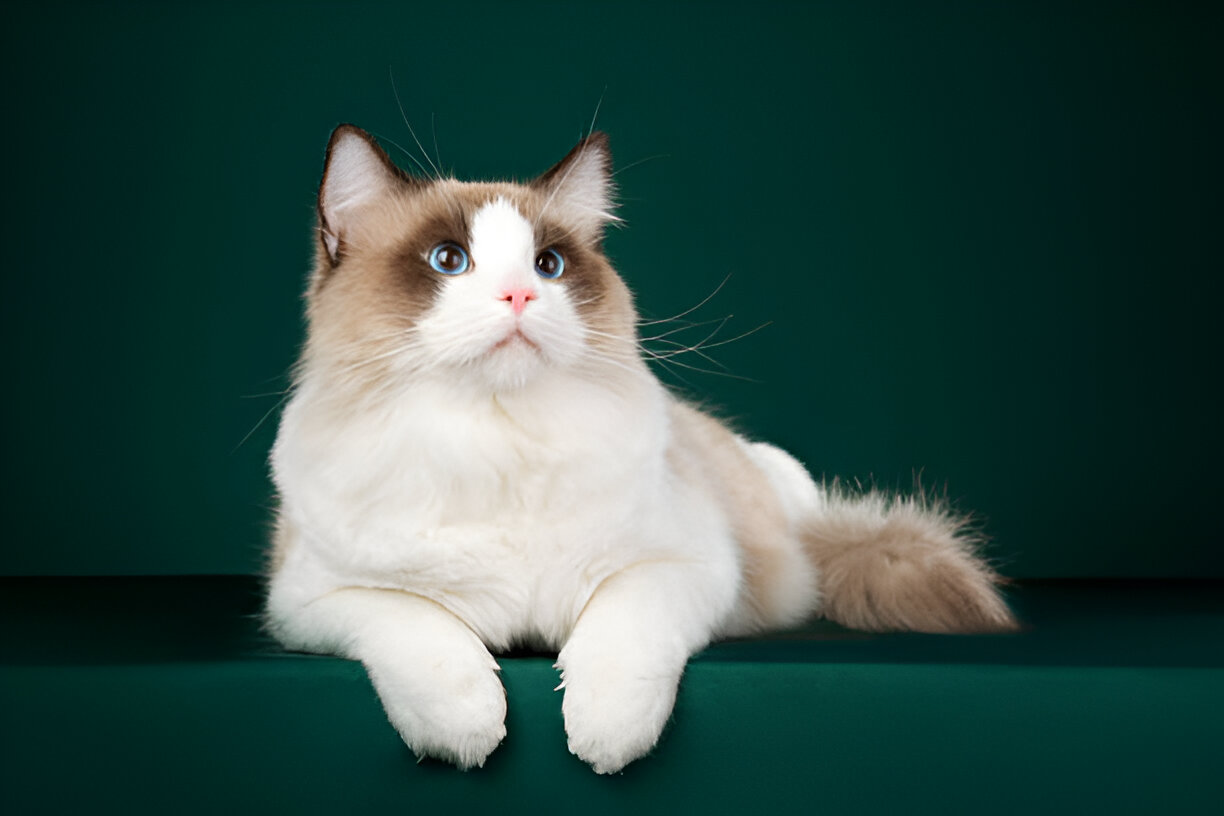
The Ragdoll cat is one of the most loved and one of the fastest trending cat breeds of 2025. Famous for their calm disposition, striking blue eyes, and long, silky hair, Ragdolls are the pet for animal lovers from all regions of the world. What makes them unique is that they tend to slump into your hands much like a ragdoll toy (hence the name).
This complete article is your ultimate guide to the Ragdoll breed. from where a dog is from, its characteristics, how much work it’s going to be to groom-a-lize said dog, its temperament, what they need to eat, how they need to be cared for, how well they get along with kids and other pets, and even what trends and costs look like in the year 2025! Whether you’re thinking about bringing home a Ragdoll, or you’re simply intrigued by this royal-looking cat, we’ll discuss everything you need to know about the breed.
📖The History and Origins of the Ragdoll Cat Breed
📜Where Do Ragdoll Cats Come From?
The Ragdoll Cat Breed is the result of a breeding program from California in the 1960s. The breed was created by breeder Ann Baker, who crossed a white domestic longhair with a Himalayan. She was bred to other cats with unusually placid temperaments and unusual looks.
“Using selective breeding and other genetic management, Baker was able to develop a breed that was famous for its kind temperament,
large size, and silky coat. The Ragdoll breed’s registration was excepted by large domestic cat organizations including TICA (The International Cat Association) and CFA (Cat Fanciers’ Association) in the late 1990s.
🧬Breed Development
Ann Baker originally heavily controlled breeding through her own registry (the IRCA – International Ragdoll Cat Association). Other breeders later contributed to the Ragdoll breed which eventually became the hot favourite among purebred cats around the world.
😻Characteristics of the Ragdoll Cat
❤️loving & glabrous trenchant and friendly
Some of the most loving cats on Earth, are home raised Ragdolls. They need human attention, follow their owners from room to room and greet visitors at the door the way dogs do. They love to snuggle, be held and sleep by their human.
🧘Calm and Relaxed
This is a notoriously mellow and relaxed breed. Unlike most of the high-energy breeds.Ragdolls are laid back, happily stretching out on a sofa, so they’re well-suited for apartment life or any family atmosphere.
🧸Child-Friendly Nature
Ragdolls are highly tolerant and excellent with children. They are not aggressive and are tolerant for handling overall a great bird for families.
🐶Dog-Like Behavior
They tend to display some characteristics that are more dog-like; they will walk around with you throughout the home and play a game for fetch. They can even learn to walk on a leash.
🐾Appearance and Traits
📏Size and Build
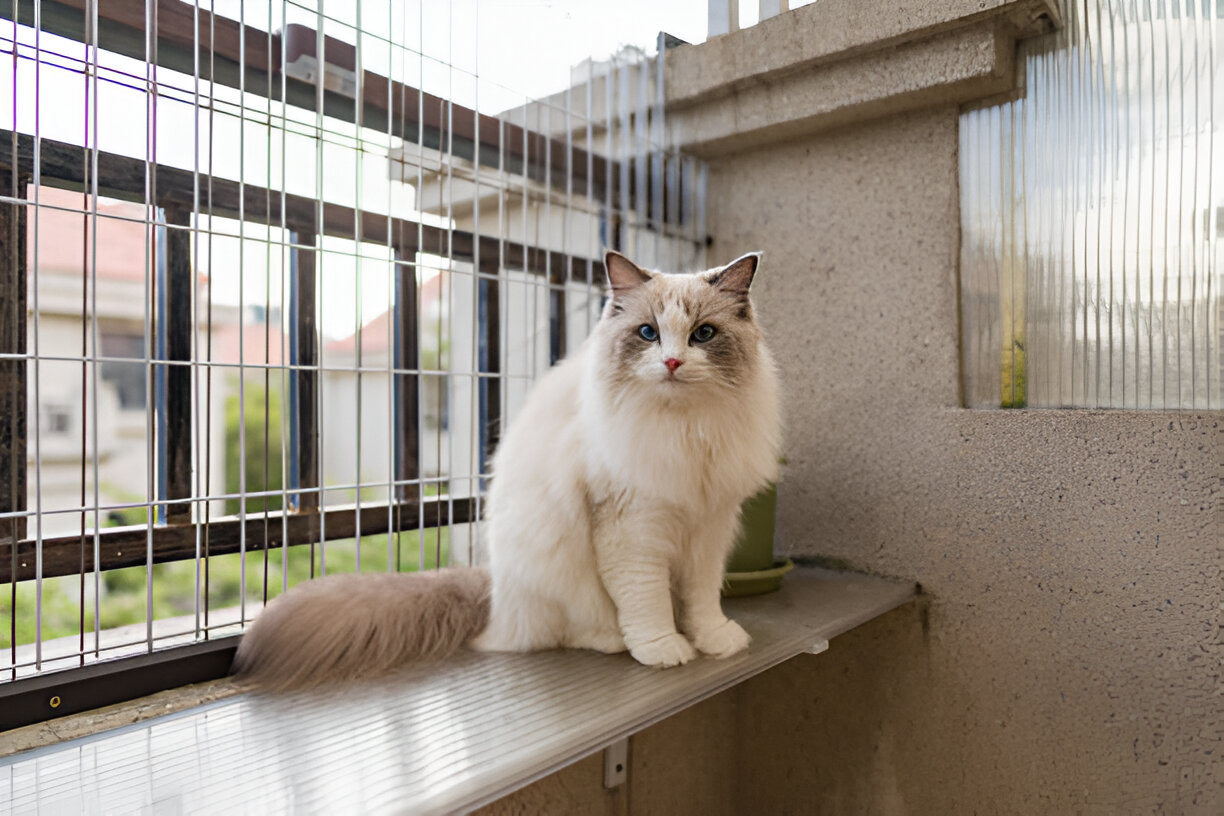
- Large and muscular
- Adult males: 15–20 pounds
- Adult females: 10–15 pounds
- Long, bushy tails
- Wide breast and strong in bone, so-bent undersagnesæk.
👁️Eyes
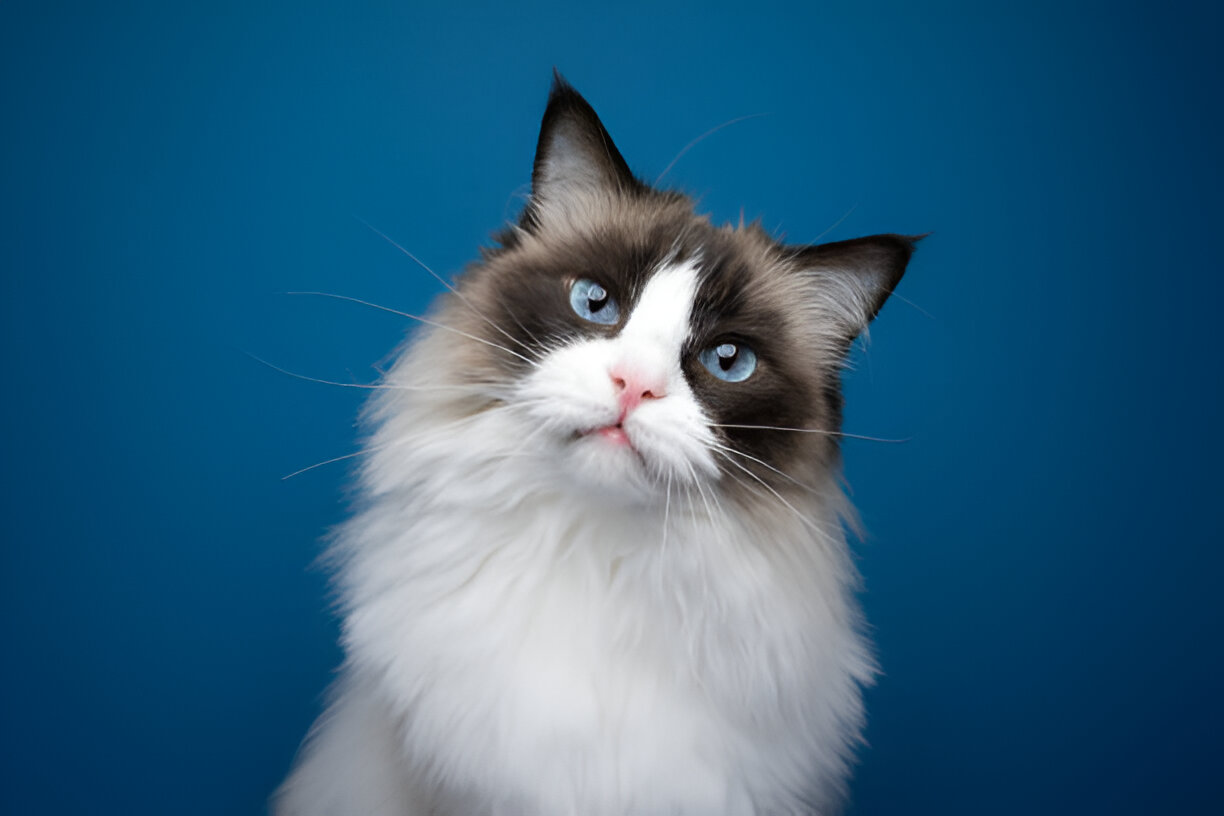
- Brilliant blue eyes
- Wide-set and oval in shape
- A certain characteristic of the breed
🐈⬛Coat Type
- Silky, semi-long fur
- Touch soft as rabbit fur
- Low in shedding and less likely to mat
🎨 H3: Colors and Patterns
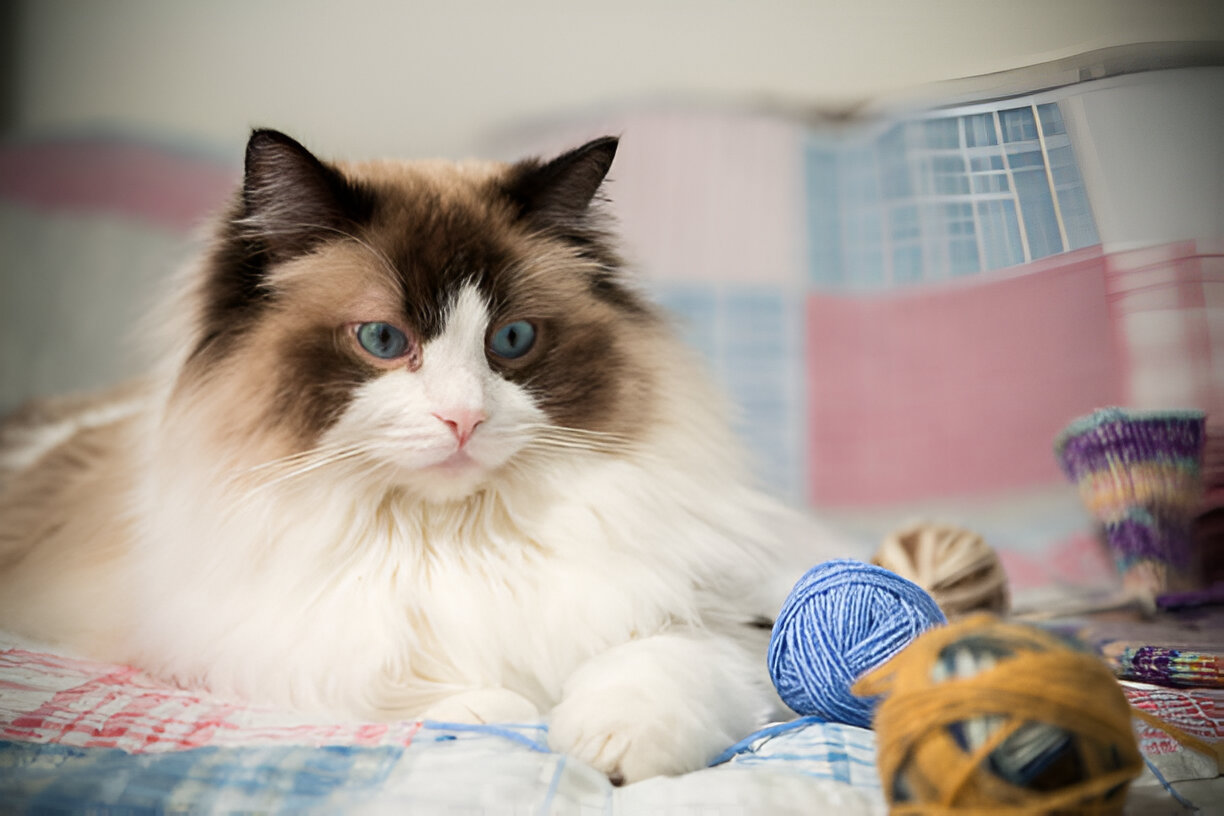
Ragdolls come in many different colors and patterns:
Colors:
- Seal
- Blue
- Chocolate
- Lilac
- Red
- Cream
Patterns:
- Colorpoint: Solid in body, shading to a darker color on the extremities
- Mitted: Colorpoint body with white paws and chin
- Pied: White face bar (inverted “V”), white legs, and belly
- Lynx (Tabby) – Stripes over classic ones
🧴Grooming Needs and Upkeep
🧼Brushing
Despite being long-haired, Ragdoll cats require very little in the way of grooming. Brush them 2–3 times weekly to remove loose strands of hair and prevent matting.
🛁Bathing
Ragdolls are pretty clean and don’t require frequent baths, unless they become unusually soiled. If you feel that your cat needs a wash, use a gentle cat shampoo.
✂️Other Grooming Tasks
- Nail Trimming: Every 2-3 weeks
- Ear cleaning: Monthly
- Teeth: Pet regular brushing or dental treats
🐟Nutrition and Diet Guide
🥩Protein-Rich Diet
Ragdoll cats require a diet that is high in protein. Opt for high-quality cat food with meat listed as the first ingredient (such as chicken, turkey or fish).
💧Hydration
They should always have fresh water. Add in wet cat food to keep your pet hydrated.
🥕Supplements & Nutrients
When choosing cat food, ensure it includes:
- Taurine
- Long chain polyunsaturated fatty acids -Omega-3 and -Omega-6
- Vitamin A, E, and D
- Digestive health probiotics
🏥Health and Lifespan
🧬Lifespan
Ragdolls typically live 12 to 17 years if they receive proper care.
❤️Common Health Issues
1.ypertrophic Cardiomyopathy (HCM): A disease of the muscles in the heart, may be found in Ragdolls; testing is very important.
2.Polycystic Kidney Disease (PKD): Checks up to your vet.
3.Fattening: They have a calm temperament and must be fed with portion control.
🩺Vet Checkups
- Annual exams
- Dental care
- Vaccines and Eradication of Parasites
🧒Ragdolls and Kids are a Match Made in Heaven
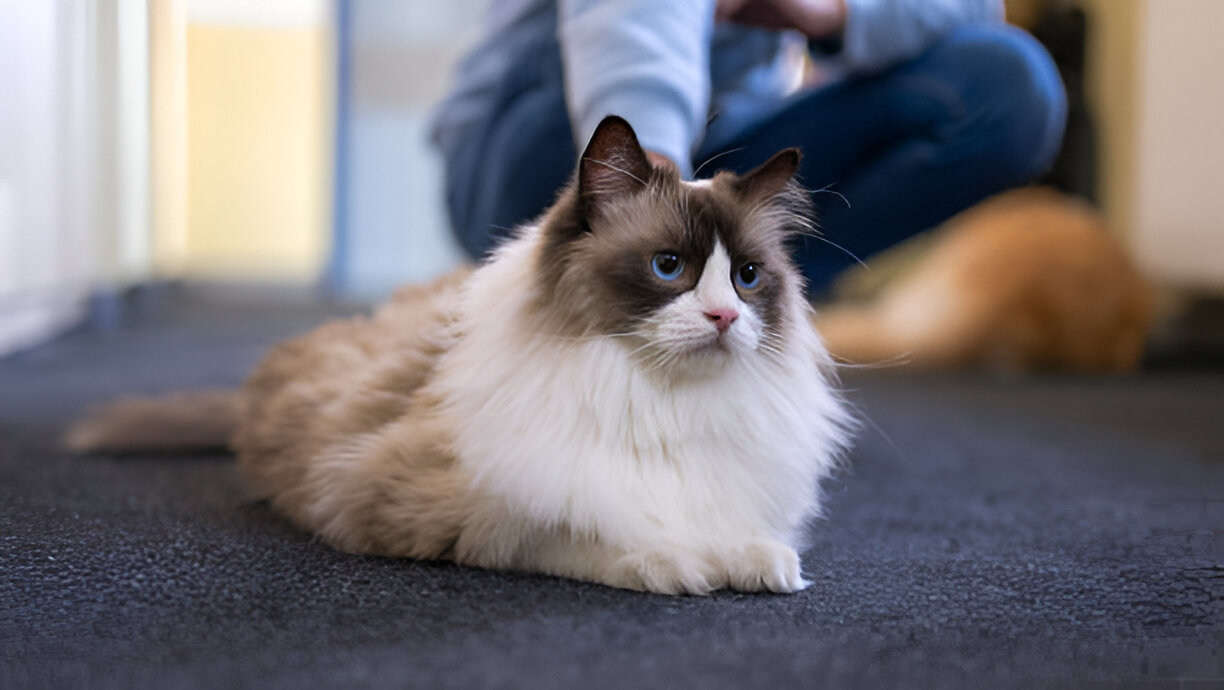
They are also one of the cat breeds that is good with kids. They are docile and non-aggressive, even tolerant and patient with very young children. They are very loving gats that love cuddles and being picked up with no hassle so make the perfect family pet.
🐶Ragdolls and Other Animals
Ragdolls get along well with canines and other felines. They are not territorials and will get along with all others pets if introduced appropriately.They’re such softies that they do great as pets.
🏷️Ragdoll Cat Cost in 2025
In 2025, how much does a Ragdoll kitten cost?
- Ragdoll for pet: $800 – $1,200
- Ragdoll of Show Quality: $1,500 – $2,500
- Ragdolls (Pet quality): $2,500 and up.
Never buy from an unregistered breeder that doesn’t offer health guarantees and pedigree papers.
🛍️Must-Have Items for Ragdoll Cat Owners
- High-quality cat food
- Sturdy scratching post
- Comfy bed and soft blankets
- Grooming brush
- Interactive toys
- Carrier for travel
✅The Pros and Cons of Having a Ragdoll Cat
🟢Pros
- Very loving and gregarious
- LOW SHEDDING LONG HAIR CAT
- Easy to groom
- Good with children and other pets
- Perfect for apartments and inside living
🔴Cons
- Unsuitable for outdoor wandering
- Can be prone to obesity
- Requires a human friend (won’t work if you’re at work all day)
- May cost more than other breeds
🏁Conclusion: Is the Ragdoll Cat the Right Pet for You?
If you are seeking a loving, beautiful, and mellow cat, the Ragdoll cat is your ideal cat. Known for their loving nature, sweet behaviour, and with those delicate looks,they have everything a cat-lover could wish for. No matter if a family or a couple or even a single pet parent, a Ragdoll will bring endless amounts of joy, comfort and love into your home!